
Legal & tax

NRI power of attorney for property: attestation abroad, stamping and registration in India
How sections 32 and 33 of the Registration Act and the Powers-of-Attorney Act, 1882 treat a power signed abroad, consulate versus apostille, the three-month stamping window, Kerala High Court's July 2026 registration ruling, and a ₹90 lakh worked example.
Partition deed among co-heirs: how an inherited flat is divided and what stamp duty applies
When siblings inherit more than one flat, a partition deed gives each of them specific flats outright. How stamp duty is charged only on the "separated" shares, what Maharashtra and Tamil Nadu charge, a worked example on a ₹2 crore estate, and why the deed must be registered.
Buying in a project mortgaged to the builder's lender: the NOC and RERA section 11(4)(h)
Many projects are mortgaged to a lender for a construction loan. Here is what RERA makes the builder disclose, why a mortgage after your agreement cannot affect your rights, what the Supreme Court said about RERA and SARFAESI, and what to ask the builder's lender for before you pay.

Ahmedabad's impact fee law: what GRUDA 2022 can regularise, what it costs, and what it never covers
How the Gujarat Regularisation of Unauthorised Development Act, 2022 works for Ahmedabad homes: the 1 October 2022 cut-off, the application window and its extensions, the notified fee bands, the land it never covers, and what a buyer should ask for on a resale flat or bungalow with additions.
Gifted a flat to your children? When a senior citizen can take it back under section 23
How section 23 of the 2007 Senior Citizens Act lets a parent have a gift of property declared void, the two conditions the Supreme Court insists on, when Tribunals can order eviction, where High Courts still differ on unwritten conditions, and why the ₹10,000 maintenance cap makes the flat itself matter.
Delhi's unauthorised colonies: what a PM-UDAY conveyance deed gives a home buyer, and what it doesn't
The 2019 law lets residents of 1,731 Delhi colonies swap GPA papers for a registrable deed for a small charge. Here is how the charge is worked out, what the April 2026 'as-is, where-is' amendment added, and what to check before buying.
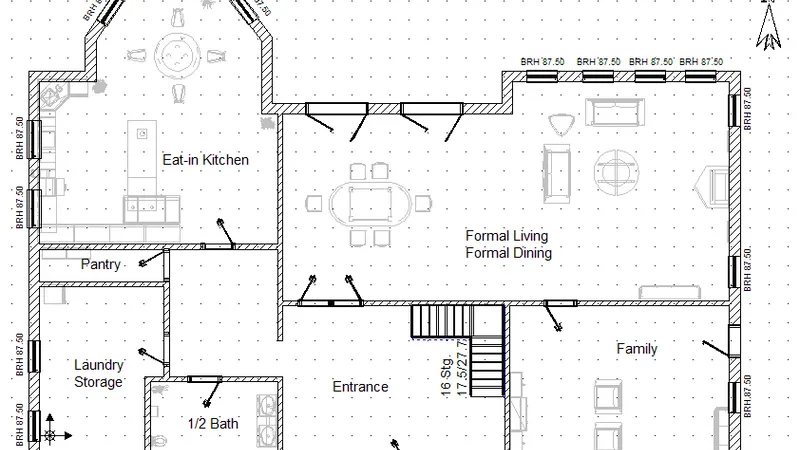
Builder changed the sanctioned plan after you booked? RERA section 14(2) and when your consent is needed
RERA section 14(2) bars changes to your flat's plan without your consent and changes to the building or common areas without written consent of two-thirds of buyers. What counts as a "minor" change, how the Madras and Punjab and Haryana High Courts have read the section, and how to count consents tower by tower.

Housing society committees in Maharashtra: elections, eligibility and powers after the 2019 law
Chapter XIII-B of the Maharashtra Co-operative Societies Act sets how a housing society's managing committee is formed, who is barred from it, who runs elections in societies of up to 250 members, and how members can check its work. With the fine for withholding records worked out in rupees.
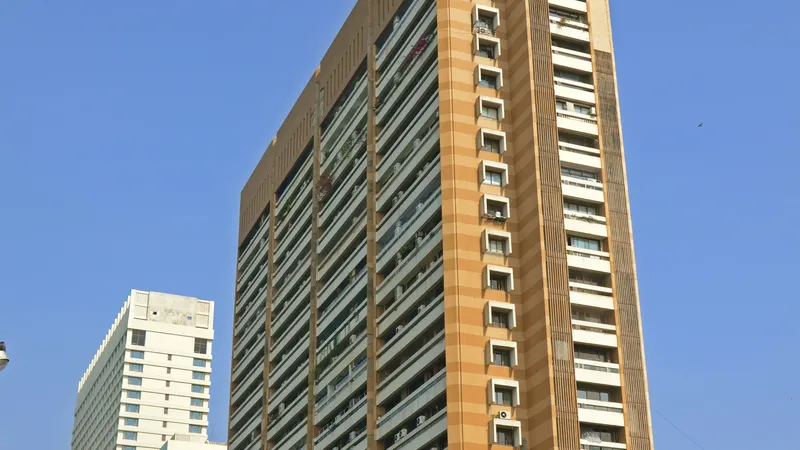
GST on society maintenance: how the ₹7,500 a month limit works, and the whole-bill dispute
The exemption entry behind the ₹7,500 limit, CBIC's two tests (₹7,500 per flat and ₹20 lakh turnover), why the Madras High Court rejected taxing the whole bill, and what each reading costs on a ₹9,000 bill.

RERA project extension under section 6: why a new date on the portal does not change your possession date
What section 6 of RERA lets a builder extend, the one-year cap, what happens after it runs out, and why tribunals and the Bombay High Court say an extension does not rewrite your agreement, with a worked example of the interest at stake on ₹75 lakh.

Caretakers and long-vacant flats: adverse possession, the 12-year rule and what the Supreme Court has said
Can a caretaker or occupant become the owner of a flat you left empty? What Article 65 of the Limitation Act and section 27 actually say, why a caretaker's possession is not 'adverse', when the 12-year clock can start, and the paper trail that keeps your title safe.
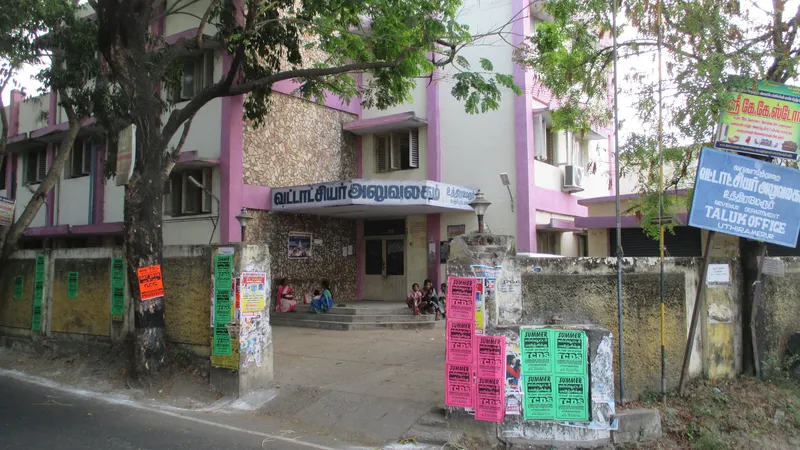
Legal heir certificate vs succession certificate: what a bank or housing society can ask for
A legal heir certificate comes from the Tahsildar; a succession certificate comes from a District Judge. What each proves, the RBI's ₹15 lakh and ₹5 lakh limits below which a bank must settle without a court certificate, what a Maharashtra society must accept, and the compensation if a bank is late.